Choosing a reliable supplier can shape the quality, cost, and consistency of every pressed powder order. Buyers may be sourcing face powder, setting powder, or compact formulations for a private-label range. The right partner should understand both the product and the practical details behind it. Shade matching matters. So do texture, coverage, packaging, and production capacity.
A useful supplier review starts with verifiable information. Look for clear product specifications, ingredient documentation, sample options, and quality-control procedures. Ask how the supplier manages batch consistency and handles packaging changes. Request realistic lead times, minimum order quantities, and written details about customization. These details help buyers compare offers beyond the unit price. A polished catalog alone proves little.
Global purchasing adds another layer. Communication, shipping arrangements, and documentation can affect timelines as much as manufacturing does. Suppliers should explain their processes plainly and respond with specific answers. A sample can reveal details that a product sheet misses, such as how powder feels on a brush or sits on skin. Still, one sample cannot guarantee every future batch. That is worth remembering.
This guide explores pressed powder suppliers serving international buyers and the factors that distinguish a dependable fit. It does not treat any supplier as universally best. Needs vary by market, order size, finish, and budget. Careful comparison takes time, and some information may remain incomplete until buyers speak directly with suppliers. That uncertainty is real. A structured review can make the decision clearer, while leaving room for a second look before committing.
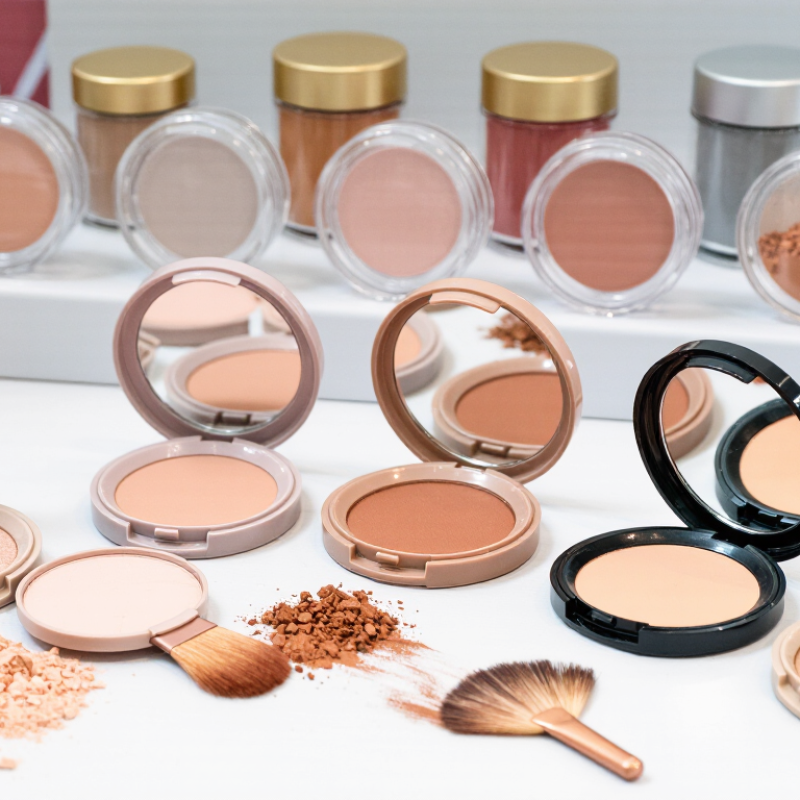
Pressed powder is a dry cosmetic blend compacted into a pan or cake. It commonly contains finely milled pigments, fillers, and a binder that helps the powder hold its shape. The balance matters. Too much binder can make a powder feel dense or drag across the skin; too little may cause crumbling. Different formulas behave differently, even when they look similar in a sample jar.
Manufacturing begins with weighing ingredients to a controlled formula. Dry materials are blended, then milled or sifted to reduce visible lumps and distribute color. A liquid binder may be added gradually until the mixture has an even, slightly damp texture. Workers fill the pans and compress the blend using calibrated equipment. Pressure affects both firmness and how easily a brush picks up product. Some formulas need drying or conditioning after pressing. The process is not perfectly forgiving; small changes in moisture or pressure can alter the finish.
Quality checks can include shade matching, fill weight, surface appearance, and breakage resistance. A smooth top is useful, but it does not prove the powder performs well during use. Buyers can ask suppliers for batch records, ingredient specifications, and samples from more than one production run. Consistency takes evidence. A single attractive sample is not enough.
Pressed powder is a compacted cosmetic powder made by blending powdered ingredients with binders, filling the blend into a pan, and compressing it into a solid cake.
Illustrative example by weight only; formulations vary by product and regulatory requirements.
Typical process: weigh and sieve ingredients, blend the powders, add binder, fill the pan, compress, then inspect the finished cake for appearance and performance.
Global buyers usually begin with the intended use, not a supplier brochure. A pressed powder for humid markets may need reliable adhesion and oil control, while a travel compact must withstand vibration and repeated opening. Small differences matter. Request samples in the intended pan size, then test them with the brush or puff customers will use. Compare shades in daylight and store lighting; photos can hide undertones.
Supplier requirements should be measurable. Specify target weight, pan dimensions, surface finish, acceptable breakage levels, shade consistency, and packaging timelines. Request current technical documents, ingredient lists, and records of quality checks. Confirm minimum order quantities, sample costs, production capacity, and lead times in writing. A low quote means little if cartons arrive late or powder cracks in transit.
Assess the handoff, too. Review a pilot batch, inspect seals and carton cushioning, and track defects by lot. Ask how complaints are investigated and corrective actions recorded. The process can feel slow. It may reveal weak points before a larger order. Keep specifications clear but practical: overly rigid requirements can exclude workable products, while vague promises invite surprises. Some issues only emerge through real handling, and buyers should leave room to revise their criteria.
Pressed powder suppliers vary in how much of the product they handle. Full-service manufacturers may support formulation, pressing, packaging, and quality checks. Their teams can adjust texture, coverage, and shade after reviewing a product brief. Ask whether they make trial batches in-house and how they record formula changes. Details matter.
Some suppliers focus on contract manufacturing, using a buyer’s approved formula and packaging specifications. This can suit teams with established product designs but limited production equipment. Private-label suppliers usually offer existing formulas with selected shades, finishes, or compact styles. Their faster setup may mean fewer options for changing the powder’s feel. Not every sample represents a production run.
Distributors can connect buyers with factories and coordinate samples, packaging, or shipping. Their technical involvement differs, so clarify who handles testing and resolves defects. Request shade samples under neutral lighting, and compare pressed pans for cracks, uneven surfaces, and fallout after handling. Ask for batch records and agreed inspection criteria before confirming an order.
A supplier may sound capable on paper; a small trial can reveal gaps in communication or consistency. That part is easy to overlook.
When comparing pressed powder suppliers, request samples from the same production batch and test them under ordinary use. Check color consistency, payoff, surface smoothness, and fallout after several brush strokes. Pressed powder should hold together in its pan, yet pick up without excessive pressure. Packaging matters too: a loose pan or weak hinge can damage an otherwise good formula. Ask how the supplier checks batch variation and handles quality complaints. Small differences can be normal, but vague answers deserve a closer look.
Compliance needs evidence, not promises. Request current ingredient lists, safety documents, batch traceability details, and relevant manufacturing quality records. Requirements vary by destination market, so confirm that documents match your intended sales regions and product claims. Customization is more than choosing a shade. Discuss finish, fragrance options, pan size, packaging, minimum order quantities, and sample revisions before approving production. A supplier may offer many choices but have limited flexibility at your order volume. That trade-off is easy to miss.
Tips: Test samples in daylight and indoor lighting, then check them again after storage. Keep written approval samples and agreed specifications. If a supplier cannot explain a test result clearly, pause and ask for details.
Choosing a pressed powder supplier requires more than comparing catalog photos and unit prices. Ask for the manufacturer’s legal business details, production address, and recent quality records. Confirm that any certificates match the facility and product being offered; a document alone is not proof of consistent production. Request samples from a current production batch, not only a polished sales sample. Check shade consistency, compact closure, powder fallout, and how the pan withstands ordinary handling.
Review the supplier’s quality process in practical terms. Ask how incoming ingredients are checked, how batches are recorded, and what happens when a lot fails inspection. For global sourcing, clarify export documents, carton specifications, lead times, minimum order quantities, and who handles product requirements in the destination market. Verify those requirements independently. A responsive sales contact is useful, but it cannot replace written specifications or agreed inspection criteria. Plans can change.
Tips: Compare the approved sample with a pre-shipment sample under the same lighting. Keep dated photos and signed specifications. Request a small trial order before scaling up, and confirm payment milestones in writing. If answers about testing or traceability stay vague, pause and investigate further. Even a careful process has gaps; document them, then decide whether the remaining risk is acceptable.
They may support formulation, pressing, packaging, and quality checks. Teams can adjust texture, coverage, and shade. Ask about trial batches and formula-change records. Details matter.
Contract manufacturers use a buyer’s approved formula and packaging specifications. Private-label suppliers offer existing formulas with selected shades or finishes. Faster setup may mean fewer changes to powder feel.
Compare samples from the same batch under daylight and indoor lighting. Check color, payoff, surface smoothness, and fallout after several brush strokes. A neat sample is reassuring, but not proof.
The powder should stay in its pan but pick up without excessive pressure. Look for cracks, uneven surfaces, and loose packaging. Check whether the hinge feels secure. Small defects can matter.
Ask for current ingredient lists, safety documents, batch traceability details, and relevant manufacturing quality records. Confirm they fit your intended sales regions and product claims. Vague answers deserve attention.
Discuss finish, fragrance options, pan size, packaging, minimum order quantities, and sample revisions. A supplier may offer many choices but limited flexibility at your order volume. That trade-off is easy to miss.
Ask who handles testing, coordinates samples, and resolves defects. Their technical involvement can differ. Get clear answers before relying on a polished introduction.
Keep written approval samples and agreed specifications. Request batch records and inspection criteria. A small trial can reveal communication gaps. It may not reveal everything.
Pressed Powder is created by blending finely milled ingredients, adding suitable binding agents, and compressing the mixture into a compact form. For global buyers, choosing a supplier starts with defining clear requirements for product performance, order volumes, packaging, delivery schedules, and customization. Suppliers may range from specialized manufacturers to contract producers, each offering different levels of production capacity, technical support, and flexibility.
A careful comparison should consider consistency, quality-control processes, relevant certifications, documentation, and the supplier’s ability to meet specific formulation or packaging needs. Buyers can reduce sourcing risks by reviewing samples, checking production capabilities, confirming communication and lead-time expectations, and assessing the supplier’s track record. A structured verification process helps identify a reliable partner whose capabilities align with the buyer’s quality standards and long-term sourcing goals.