Featured OEM/ODM Color Cosmetics Products
Low MOQ private label solutions for face, eyebrow, lip, and cheek formulations manufactured in our SGS-verified Guangzhou facility.
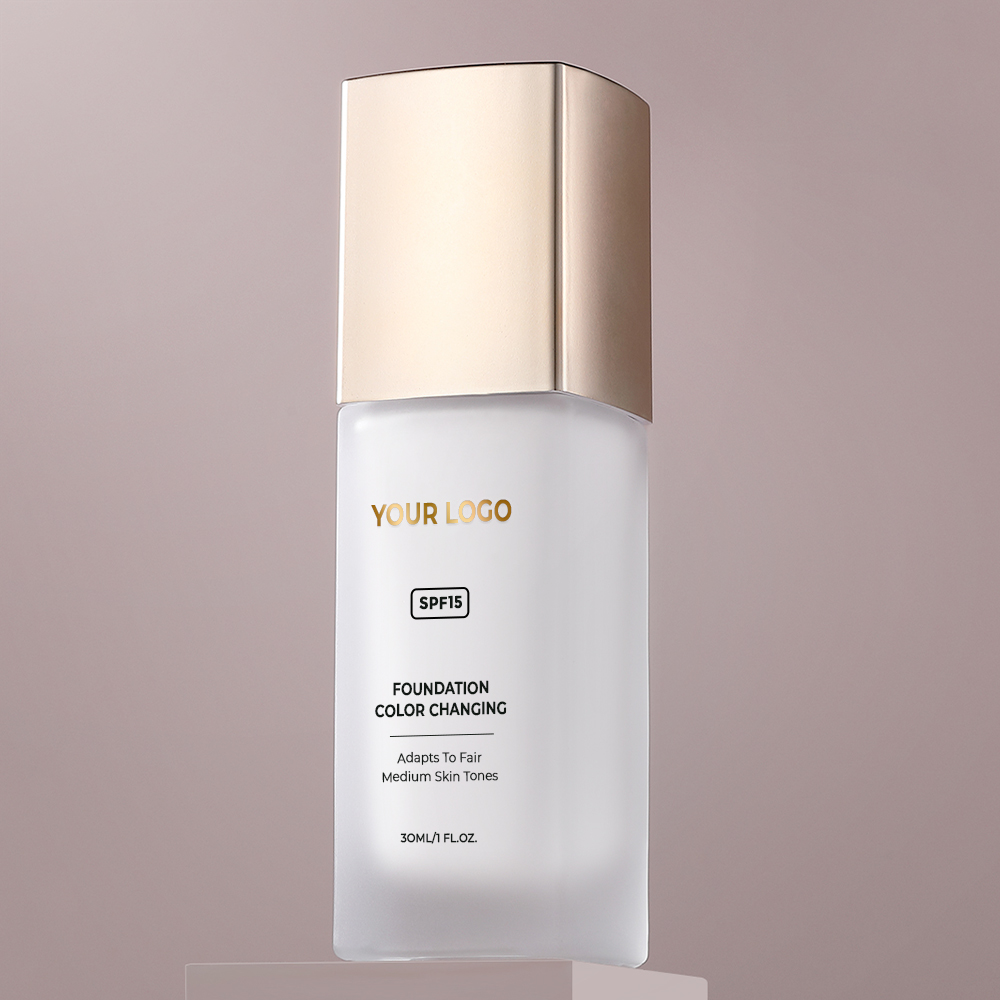
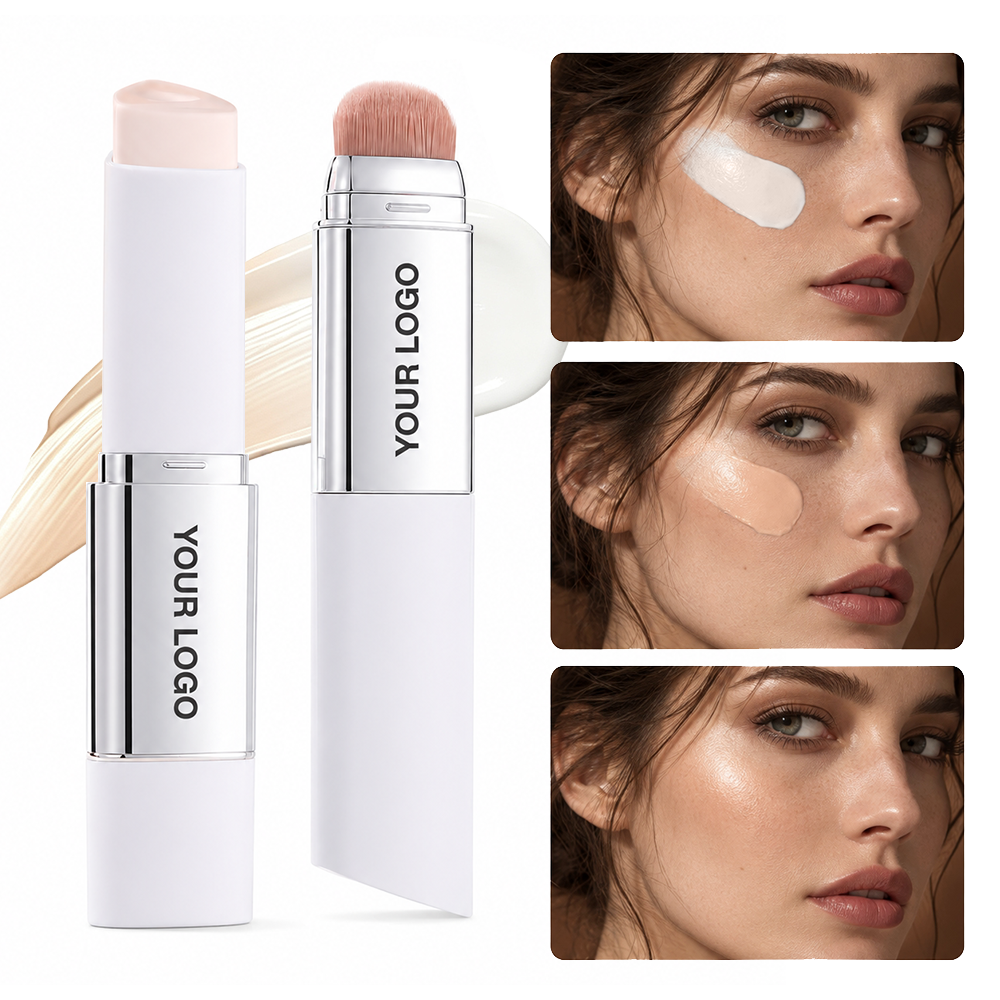
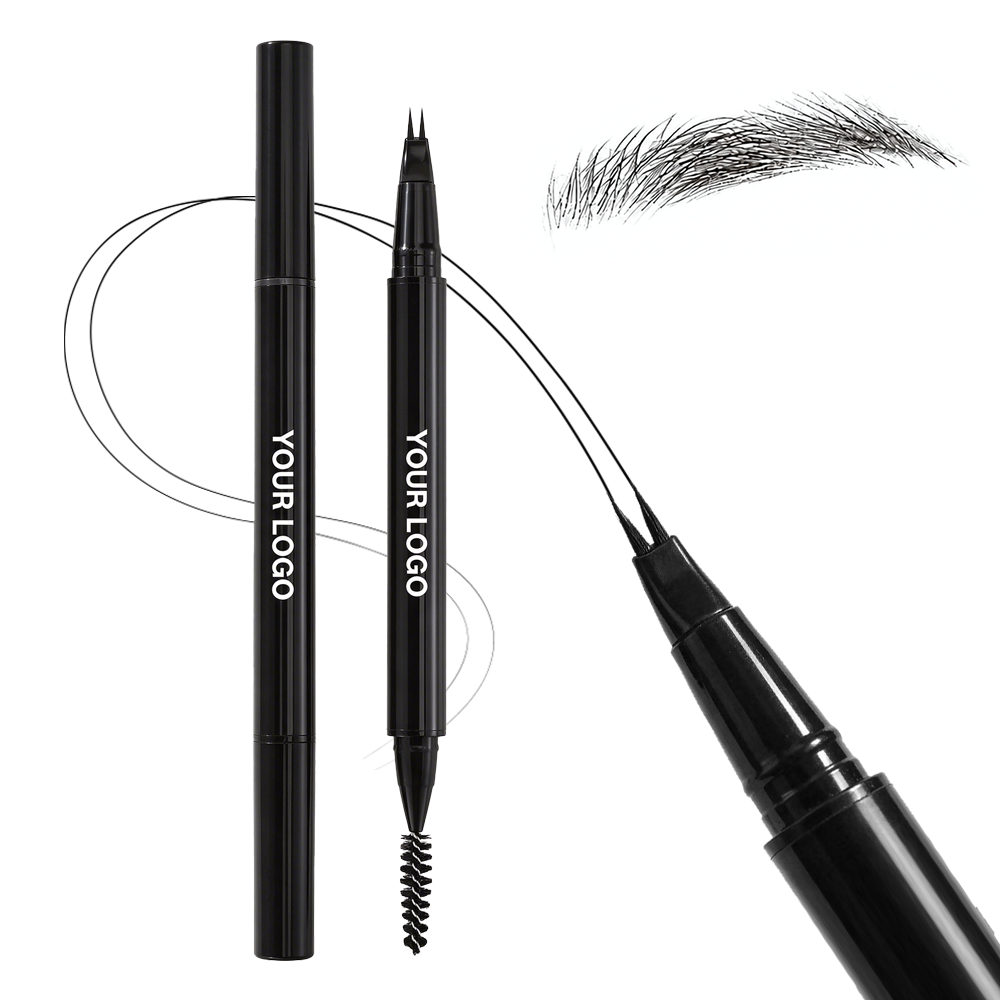
1. Strategic Overview: Sourcing Satin Finish Foundations from China
The global color cosmetics landscape is experiencing a seismic shift toward "skin-first" makeup solutions. Among liquid base formulations, satin finish foundations have emerged as the single fastest-growing product category across Western Europe, North America, and the Asia-Pacific region. Unlike ultra-matte finishes that can highlight fine lines or high-dew finishes that risk greasy shine under warm climates, satin foundations strike the precise biophysical balance: providing medium-to-full coverage with a velvet-soft, light-diffusing glow that mimics natural, healthy skin.
For international cosmetic brand owners, indie beauty labels, and wholesale distributors, sourcing satin finish foundations from top-tier Chinese cosmetic factories presents unmatched commercial advantages. China’s cosmetic manufacturing infrastructure—centered primarily in the Pearl River Delta hub of Guangzhou—has evolved far beyond cost-effective contract filling. Today, premier Chinese contract manufacturers such as Guangzhou MCTX Cosmetics Co., Ltd. integrate advanced silicone-in-water micro-emulsion technology, pigment encapsulation, and automated cleanroom production to engineer world-class formulas that rival luxury European heritage brands.
Why Satin Finish Dominates Modern Consumer Search Intent
Consumer behavior analysis reveals three primary drivers responsible for the surging demand for satin finish complexion products:
- Demographic Realities & Skincare Hybrid Demands: Aging populations and educated Gen-Z consumers alike demand base makeup enriched with active skincare ingredients (hyaluronic acid, niacinamide, squalane). Satin formulations seamlessly accommodate lipid-soluble and water-soluble actives without disrupting emulsion stability.
- High-Definition Digital Media Compatibility: 4K camera sensors and unedited social media video streaming reveal heavy matte powders. Satin foundations utilize soft-focus spherical silica microspheres to scatter light optically, smoothing skin texture naturally on camera.
- All-Climate Wearability: Formulated with advanced cross-polymer silicone networks, satin bases resist oxidation, sweat breakdown, and sebum dissolution across diverse microclimates—from humid equatorial markets to arid cold regions.
2. Enterprise Profile: Guangzhou MCTX Cosmetics Co., Ltd.
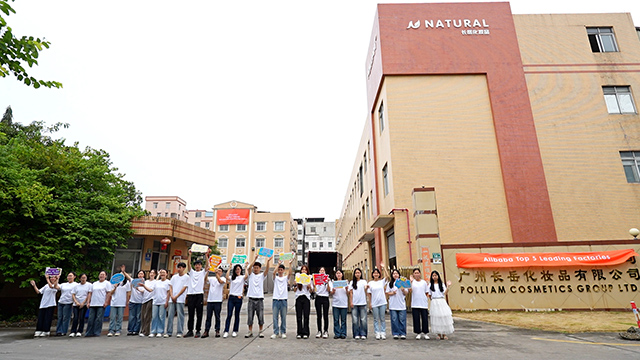
Situated at the heart of Guangzhou’s cosmetic manufacturing district, Guangzhou MCTX Cosmetics Co., Ltd. represents the modern gold standard of Chinese OEM/ODM color cosmetics production. Spanning a state-of-the-art 5,060 square meter production facility, MCTX operates fully compliant ISO 22716 and GMPC (Good Manufacturing Practice for Cosmetics) cleanrooms engineered specifically to prevent airborne contamination and guarantee sterile liquid filling.
MCTX’s technical expertise spans complex complexion formulations, including color-changing liquid foundations, metal compact powders, waterproof cream blushes, and precision eyebrow cosmetics. Backed by an in-house laboratory of veteran cosmetic chemists, MCTX enables brand partners to rapidly transition from concept development to bulk shipment.


3. Future Procurement Trends in Satin Foundation Manufacturing (2025–2030)
To maintain market dominance in an increasingly competitive beauty retail sector, supply chain directors must align with emerging formulation and packaging technologies. MCTX’s internal research highlights four crucial procurement trends shaping the future of foundation wholesale:
Micro-Encapsulation & Smart Pigment Matching
Traditional foundation manufacturing relied on heavy iron oxide loads to achieve coverage. The next decade belongs to micro-encapsulated pigments. Utilizing coated titanium dioxide micro-spheres that burst upon contact with the skin (pH color-changing adaptivity), factories can produce single-SKU formulations that self-adjust across multiple undertones, drastically reducing SKU holding costs for wholesalers.
Clean Beauty & Global Regulatory Conformance
Regulatory scrutiny is escalating worldwide under US MoCRA guidelines and EU Regulation 1223/2009. Top Chinese factories are phasing out cyclic silicones (D4, D5) and replacing them with bio-based alkanes and natural esters. MCTX provides pre-notified CPNP documentation for European import compliance and CE certified safety profiles for sensitive lip/skin formulations.
Active Skin-Care Infusion (Derma-Makeup)
Modern satin foundations double as topical treatments. Strategic procurement demands liquid bases that hold active concentrations of Niacinamide (vitamin B3), Centella Asiatica extract, Sodium Hyaluronate, and Broad-Spectrum SPF15-30 UV filters. Chemical stability testing under accelerated thermal conditions ensures these actives remain potent over a 36-month shelf life.
Flexible, Low-MOQ Supply Chains
Massive 10,000-unit minimum orders are no longer viable for agile e-commerce brands testing new market niches. Leading factories now offer modular assembly lines allowing custom private labeling starting at just 100 to 500 units per shade, allowing brands to launch comprehensive 20-shade spectrums with minimal capital exposure.
4. Evaluating Chinese Foundation Factories: A B2B Quality Control Checklist
When selecting a contract manufacturer for satin finish foundation, brand procurement teams must conduct rigorous technical audits beyond reviewing sales catalogs. Below are the key scientific parameters used to benchmark factory capability:
A. Rheological Balance & Viscosity Stability
Satin liquid foundations typically feature a viscosity range between 4,000 to 8,000 cPs (centipoise). If the viscosity is too low, pigments settle at the bottom of bottles during transit. If too high, the formula drags across the skin without blending smoothly. Premier factories like MCTX utilize high-shear homogenizers to create uniform micro-emulsions that prevent phase separation across extreme temperature shifts (-10°C to +48°C).
B. Shade Fidelity Across Global Skin Tone Spectrum
A major flaw in legacy contract manufacturing was limited shade range versatility. Professional factories must formulate across the full Fitzpatrick Scale (Tones I to VI), covering cool, neutral, warm, and olive undertones. MCTX maintains a standardized color laboratory utilizing spectrophotometers to guarantee batch-to-batch color matching within a strict Delta E (ΔE) < 0.8 tolerance.
C. Microbiological Testing & Preservative Efficacy
Water-containing emulsions are vulnerable to bacterial and fungal contamination. A compliant Chinese factory must perform challenge testing (USP <51> or ISO 11930) on every formulation batch. MCTX enforces a 3-stage quality control system inspecting incoming raw ingredients, intermediate bulk batches, and final packaged goods inside sterile GMPC environments.
Raw Material Verification
100% on-site inspection of pigments, emulsifiers, and active botanicals sourced from audited international vendors.
In-Process Quality Control
Hourly density checks, viscosity monitoring, and microscopic particle-size analysis during continuous filling runs.
Batch Release Testing
Heavy metal analysis (Lead, Arsenic, Mercury), microbial limit counts, and package vacuum leakage verification.
5. Frequently Asked Questions by Global Importers & Wholesalers
Below are authoritative responses to the most critical operational questions asked by cosmetic buyers during vendor selection: